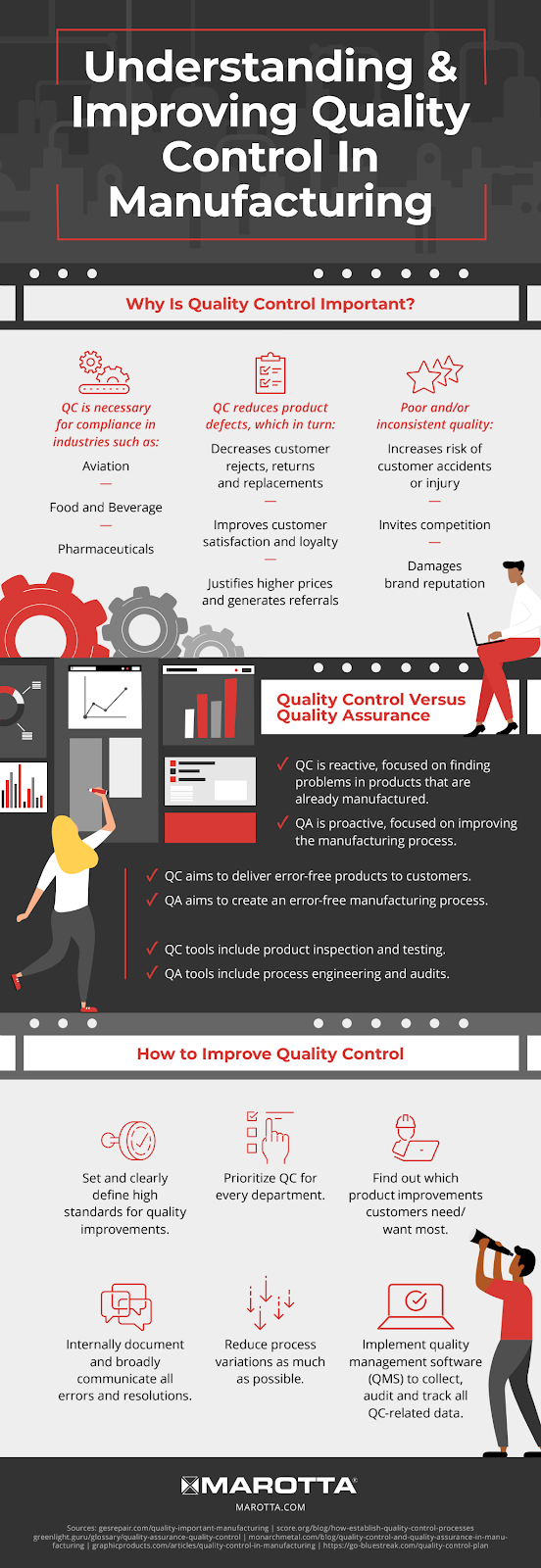

In many manufacturing environments, quality control is seen as a technical responsibility limited to production teams. In practice, its impact reaches far beyond the shop floor. The consistency and reliability of a product directly influence customer satisfaction, repeat business, and overall revenue. While engineering teams focus on process stability and inspections, and sales teams concentrate on closing deals, both depend on one shared factor: product performance.
For startups, converters, fabricators, and expanding manufacturers, recognizing this connection is essential. Quality control is not simply about meeting standards. It is a key driver of business outcomes and long-term growth.
Defining the Role of Quality Control
Quality assurance and quality control are often grouped together, but they serve different functions. Quality assurance is about designing and maintaining effective systems and processes. Quality control is focused on confirming that finished products meet required specifications before they reach the customer. Its primary goal is to stop defects from leaving the facility.
Each inspection, test, and measurement supports that objective. When this role is clearly understood, the link between quality and revenue becomes more apparent. Reliable products build confidence, and that confidence leads to repeat business.
The Cost of Defects
Product defects create more than short-term inconvenience. Even minor issues can lead to returns, rework, and additional administrative effort. These disruptions consume resources and can strain customer relationships.
When defects go unnoticed, the consequences become more serious. Faulty products in the field can disrupt operations, cause financial loss, or introduce safety risks. In some cases, this can lead to legal challenges and long-term damage to a company’s reputation.
Turning Quality Into a Competitive Advantage
Manufacturers that consistently deliver reliable products stand out in competitive markets. Strong quality performance enhances brand reputation, supports customer retention, and can justify higher pricing. It also gives sales teams a stronger position when engaging with new prospects.
Quality control should be viewed as more than a protective measure. It is a strategic investment that helps maintain margins, reduce risk, and strengthen market position.
In manufacturing, quality is closely tied to sales success. It is not a separate function, but a core element of sustained business performance. For more on this, check out the accompanying resource from Marotta Controls, a provider of marine control systems.