
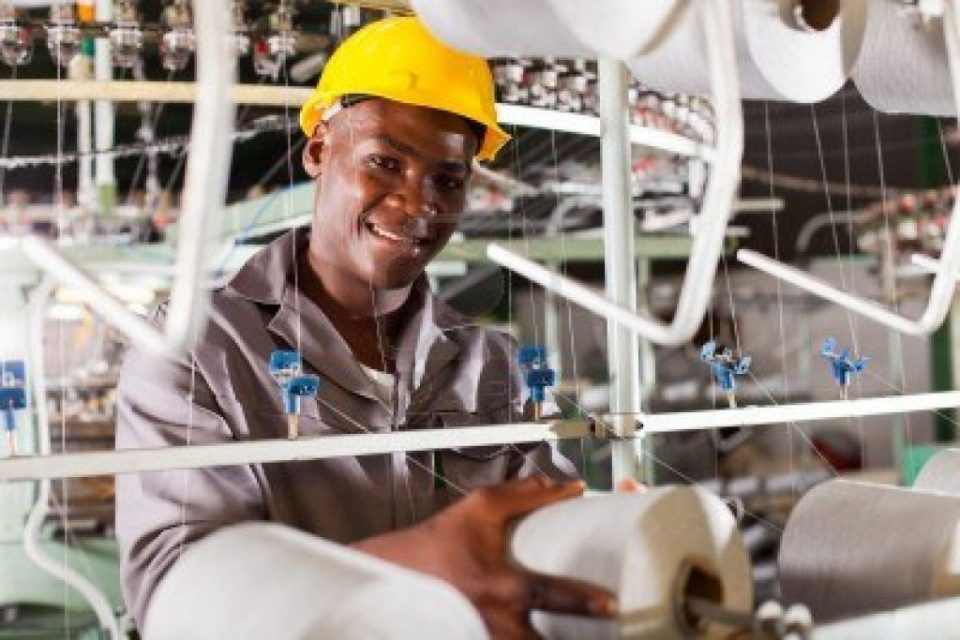
The narrative surrounding workplace automation often swings between two extremes: a utopian future of effortless productivity or a dystopian reality of widespread unemployment. The actual impact of automation on labor-intensive industries is far more nuanced. It does not mean the outright elimination of human labor, but rather a profound restructuring of how work is designed, executed, and managed.
Labor-intensive industries such as manufacturing, logistics, agriculture, and hospitality are undergoing an operational shift. Driven by advanced robotics, computer vision, and machine learning algorithms, companies are changing their reliance on manual labor. To understand the future of work, it is necessary to examine the specific mechanisms reshaping these traditional sectors.
The Transition from Task Displacement to Task Augmentation
A common misconception is that automation replaces whole jobs. In reality, automation replaces specific, repetitive tasks within a job. This distinction alters how corporate managers approach workforce planning.
Every occupation consists of a bundle of tasks ranging from routine physical labor to complex problem-solving. Automation targets routine tasks because they follow predictable patterns that software and hardware can replicate. When a machine takes over these repetitive components, the human worker is not always displaced; instead, their role is augmented.
-
Manufacturing Precision: In modern assembly plants, robotic arms handle high-risk, highly repetitive tasks like precision welding and heavy lifting. Human operators shift their focus to quality control, diagnostic programming, and exception handling.
-
Logistics and Warehousing: Autonomous mobile robots navigate warehouse floors to retrieve inventory pallets. This saves warehouse workers from walking miles every shift, allowing them to focus on complex packing, inventory audits, and sorting operations.
-
Agricultural Efficiency: Automated tractors use GPS and computer vision to plant seeds and apply fertilizer with millimeter precision. This allows agricultural laborers to transition into fleet management and data analysis roles.
This structural shift changes the baseline skills required for entry-level employment. The value of pure physical stamina is decreasing, while the value of technical literacy, situational awareness, and system management is rising.
Transforming Warehouse Distribution and Logistics Cost Structures
The logistics sector serves as a clear example of modern automation in practice. The explosive growth of e-commerce created a massive demand for rapid fulfillment, which traditional manual warehousing methods could not sustain.
In manual facilities, fulfillment speed is directly constrained by human physical limits and floor congestion. By introducing automated storage and retrieval systems, fulfillment centers transform their spatial dynamics. These systems utilize vertical space that is inaccessible to human workers, maximizing warehouse volume.
This transformation changes the corporate cost structure. While initial capital expenditure rises significantly, variable operating costs drop. Automated systems run continuously without needing light, heating, or rest breaks, allowing fulfillment centers to operate around the clock. This continuous throughput flattens the marginal cost curve per package handled, creating significant competitive advantages for early adopters.
Structural Adjustments in Hospitality and Service Work
The service industry was long considered insulated from automation due to its reliance on human interaction. However, changing consumer preferences and rising operational costs have broken down this barrier.
In food service and hospitality, automation appears in both customer-facing and back-of-house operations. Self-service kiosks, mobile ordering applications, and automated kitchen prep stations are altering service delivery models.
-
Front-of-House Friction: Digital ordering systems transfer data entry tasks directly to the consumer. This reduces order errors, speeds up table turnover, and allows front-of-house staff to manage larger dining areas efficiently.
-
Back-of-House Standardization: Automated cooking appliances manage precise variables like temperature and timing for high-volume menu items. This ensures consistency across franchise locations and reduces food waste from human error.
This shift does not mean the end of hospitality workers. Instead, it reallocates human labor toward the experiential aspects of service, such as personalized hospitality, conflict resolution, and culinary curation. The technology handles the transaction, while the human handles the relationship.
The Skill Polarization and Reskilling Challenge
As automation reconfigures labor-intensive industries, it creates a phenomenon known as skill polarization. The demand for medium-skilled jobs that involve routine cognitive or manual work is declining. At the same time, demand is growing at both ends of the skill spectrum: low-skill manual roles that require physical adaptability, and high-skill technical roles that require advanced systemic knowledge.
This polarization presents a significant challenge for workforce development. A worker whose routine assembly line job is automated cannot easily transition into a software engineering or robotic maintenance role without targeted retraining.
To bridge this gap, industries are investing in internal reskilling initiatives. Companies are pairing veteran floor workers with industrial technicians to teach them how to operate and maintain the automated systems they once competed against. This strategy preserves valuable institutional knowledge while upgrading the workforce’s technical capabilities.
Safety and Ergonomics on the Automated Automated Floor
One of the most immediate benefits of automation in labor-intensive industries is the improvement of workplace safety and ergonomics. Industries like heavy manufacturing, mining, and chemical processing involve environments that present inherent risks to human health.
Deploying specialized machinery into dangerous environments protects workers from injury. For example, robotic systems handle material manipulation in extreme heat or toxic atmospheres, keeping human operators at a safe distance inside control rooms.
Furthermore, automation mitigates long-term musculoskeletal strain caused by repetitive physical labor. By assigning heavy lifting, awkward reaching, and continuous bending tasks to machines, firms reduce workplace injury rates. This leads to lower workers compensation costs and improves long-term employee retention.
The Changing Dynamics of Regional Supply Chains
The microeconomic incentives of automation are reshaping global supply chain networks. Historically, manufacturing and apparel companies outsourced production to countries with low labor costs to minimize expenses.
Automation changes this calculation by reducing the share of total production costs tied to human wages. When an automated factory in a high-wage region can produce goods at a similar unit cost to a manual factory in a low-wage region, the incentive to outsource disappears.
This shift encourages nearshoring, which means moving production closer to the final consumer market. Nearshoring reduces shipping times, lowers transportation emissions, and minimizes the risk of international supply chain disruptions. In this context, automation acts as a balancing force, allowing local industries to rebuild manufacturing capabilities that were previously lost to offshoring strategies.
Frequently Asked Questions
Does automation always lead to a reduction in a company’s total headcount?
Not necessarily. While automation reduces the number of workers needed for specific routine tasks, it often lowers production costs and increases output capacity. This business growth can lead companies to expand their operations, creating new jobs in customer service, sales, logistics management, and equipment maintenance that offset the initial task displacement.
How do small and medium-sized businesses compete with large enterprises investing in expensive automation?
Small and medium-sized businesses use a strategy called Automation-as-a-Service. Instead of purchasing expensive robotic systems upfront, they lease equipment or subscribe to cloud-based automation platforms. This modular approach allows smaller firms to automate specific bottlenecks without taking on heavy capital debt.
What types of manual tasks are the most difficult for robotic systems to automate?
Tasks that require high dexterity, variable tactile feedback, and unstructured environments remain difficult to automate. For example, picking delicate, irregularly shaped fruits in agriculture or folding assorted textiles in apparel manufacturing are easy for humans but require complex programming and expensive sensors for machines.
How does workplace automation impact older workers who may find tech transitions challenging?
Workplace automation can benefit older workers by taking over physically demanding tasks, which extends their working years without causing excessive strain. To help them adapt to new technology interfaces, forward-thinking companies design intuitive systems that utilize augmented reality visual guides and simplified user interfaces.
What is a cobot, and how does it differ from traditional industrial robots?
A cobot, or collaborative robot, is designed to work safely alongside human employees in a shared workspace. Unlike traditional industrial robots that operate behind protective cages due to their speed and power, cobots feature built-in sensors and force-limiting mechanisms that cause them to stop immediately if they make contact with a person.
How does the introduction of automation alter a company’s long-term financial risk?
Automation shifts a company’s financial structure from variable costs to fixed capital expenses. While variable labor costs can be scaled up or down in response to short-term market demand, fixed capital investments require continuous production volume to justify the initial expenditure. This means highly automated companies face greater financial risk during prolonged market downturns.